Department of Neurosurgery
Spinal Cord Tumor Center
Spinal Cord Tumor Center
What Are Spinal Cord Tumors?
Spinal cord tumors are uncommon tumors that grow within the substance of the spinal cord (intramedullary) or just outside of it (extramedullary). Due to the rare nature of these tumors, effective and safe treatment is best achieved by working with physicians with extensive experience in their treatment.
At the spinal cord tumor program at Rhode Island Hospital, our team of neurosurgeons, plastic surgeons, oncologists, and radiation oncologists work together to ensure patients receive personalized specialty care and an optimal treatment outcome. We utilize modern technology to enhance patient surgical outcomes, including intraoperative computed tomography, frameless stereotactic navigation, and neurophysiology monitoring.
Tumors treated include:
- Intramedullary: astrocytoma, ependymoma, metastasis, hemangioblastoma, cavernoma
- Extramedullary: meningioma, schwannoma, neurofibroma, ependymoma.
Treatment of spinal cord tumors requires technical expertise and a multidisciplinary approach. In many cases, surgery is the first-line treatment option for these tumors. Radiation and chemotherapy are often reserved for residual or recurrent tumors or tumors that are surgically inaccessible.
-
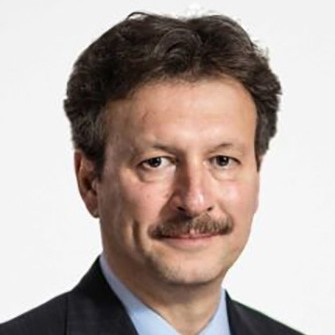
Ziya L. Gokaslan, MD, FAANS, FACS
Julius Stoll, MD Professor and Chair, Department of Neurosurgery, Neurosurgeon-in-Chief, Rhode Island Hospital and The Miriam Hospital, Clinical Director, Norman Prince Neurosciences Institute, President, Neurosurgery Foundation -
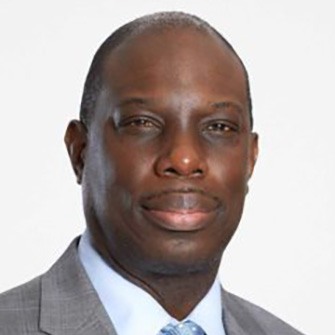
Adetokunbo A. Oyelese, MD, PhD
Professor of Neurosurgery, Vice-Chair, Strategy and Business Development, Director, Norman Prince Spine Institute, Director, Spinal Surgery Division -
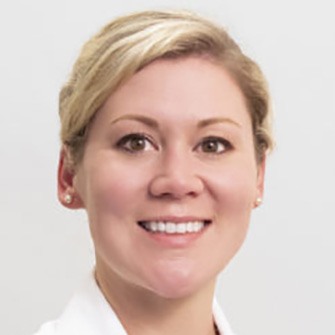
Patricia Leigh Zadnik Sullivan, MD
Assistant Professor of Neurosurgery, Director, Center for Spine Tumor & Chordoma Research, Member, Legoretta Cancer Center
Medical Oncology
-
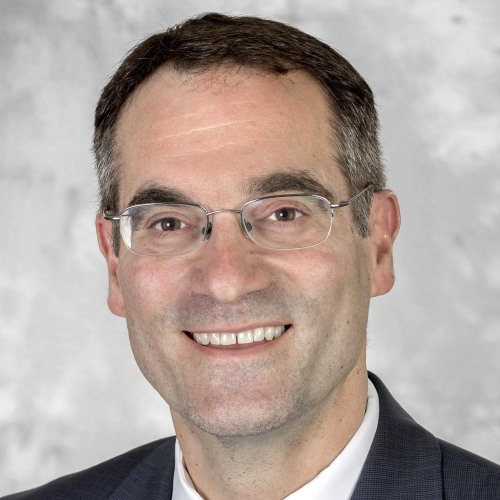
Christopher Azzoli, MD
Jeffrey A. Brown and Barbara Horovitz Brown Associate Professor of Translational Medicine -

Ariel Birnbaum, MD
Associate Professor of Medicine, Clinician Educator -
Maria Constantinou, MD
Clinical Assistant Professor of Medicine -
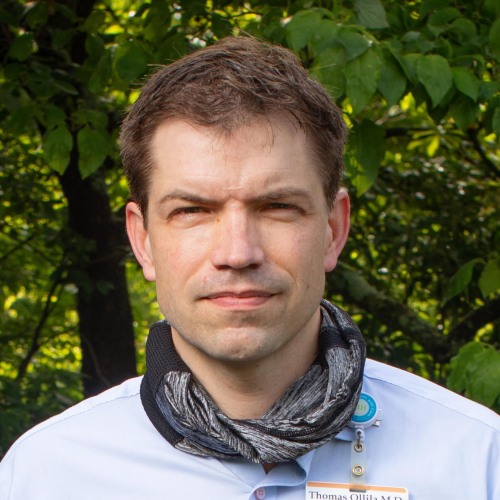
Thomas Ollila, MD
Assistant Professor of Medicine
Radiation Oncology
-
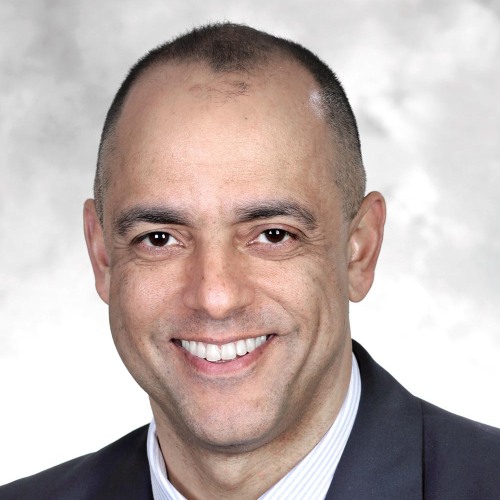
James Brindle, PhD
Associate Professor of Radiation Oncology -
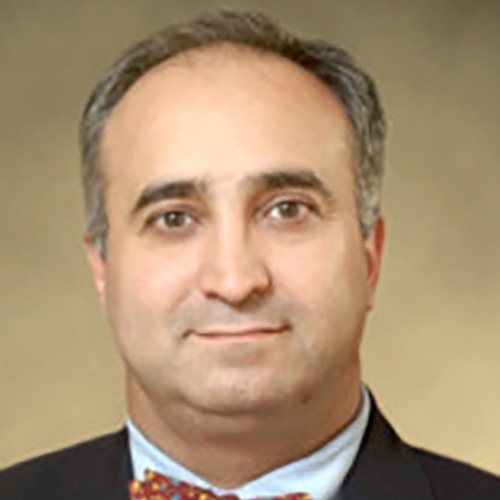
Thomas A. DiPetrillo, MD
Clinical Assistant Professor of Radiation Oncology -
Jaroslaw T. Hepel, MD
Associate Professor of Radiation Oncology and Neurosurgery, Director of Stereotactic Radiosurgery at Rhode Island Hospital -
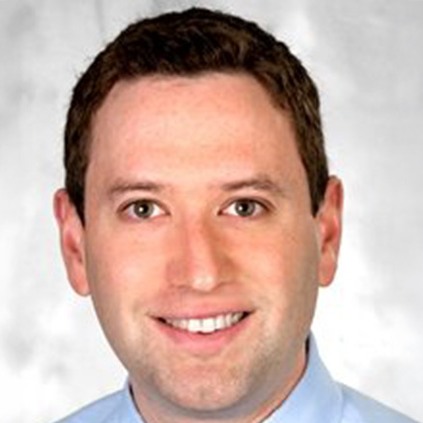
Paul Koffer, MD
Assistant Professor of Radiation Oncology -
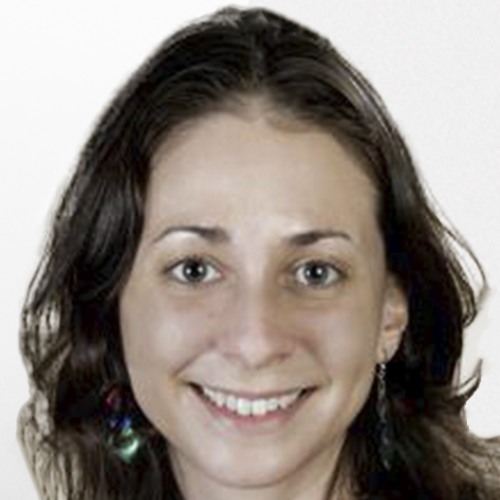
Kara Leonard, MD
Assistant Professor of Radiation Oncology, Adjunct Assistant Professor of Radiation Oncology, Tufts University School of Medicine, Associate Program Director, Radiation Oncology Residency, Tufts University School of Medicine -
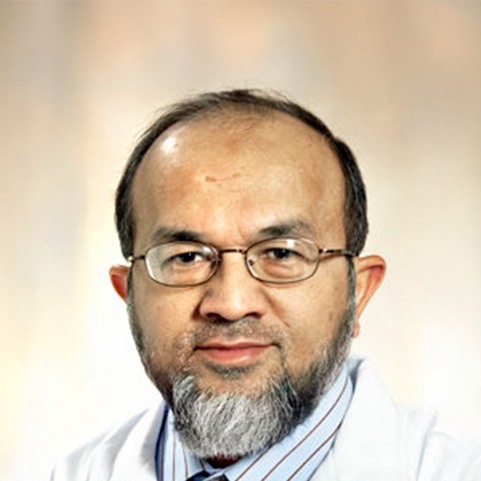
Yakub Puthawala, MD
Clinical Associate Professor of Radiation Oncology -
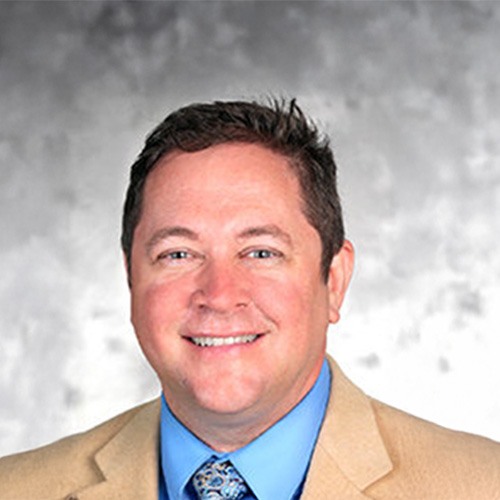
Mark Rivard, PhD
Professor of Radiation Oncology -
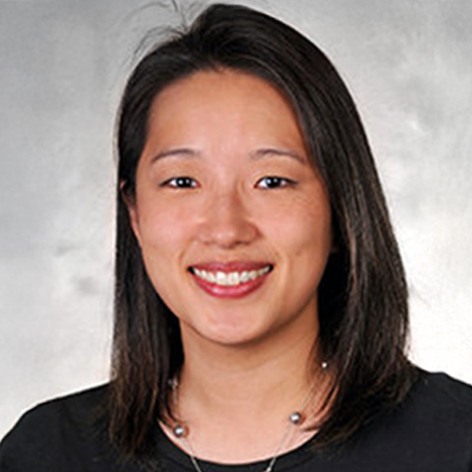
Esther Yu, MD
Assistant Professor of Radiation Oncology
Pain Management & Physical Medicine and Rehabilitation
-
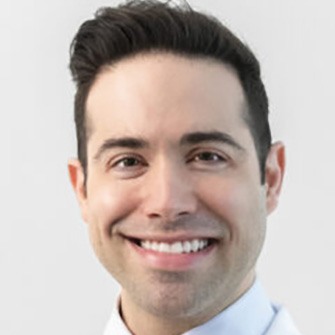
Ross Barker, DO
Assistant Professor of Neurosurgery -
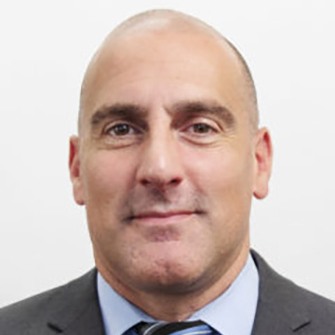
Alexios Carayannopoulos, DO, MPH
Professor of Neurosurgery and Neurology, Chief, Physical Medicine and Rehabilitation, Director, Outpatient Physical Medicine and Rehabilitation, President, American Academy of Osteopathic Examiners, President, Rhode Island Society of Pain Physicians -
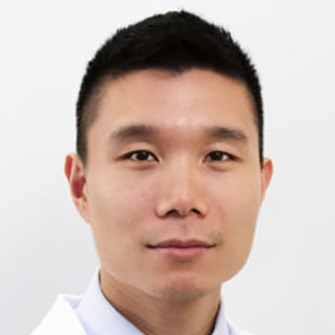
Justin Y. Li, MD
Assistant Professor of Neurosurgery, Attending Physician -
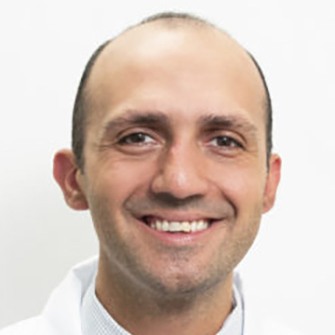
Laert Rusha, MD
Assistant Professor of Neurosurgery, Attending Physician -
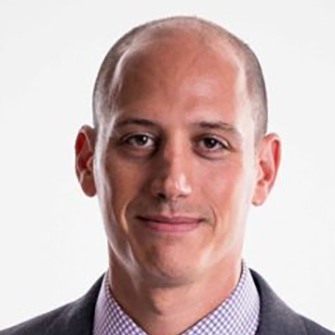
Keith-Austin Scarfo, DO, MS
Associate Professor of Neurosurgery, Chair, Pain and Opioid Stewardship Committee, Medical Director, Norman Prince Spine Institute, Director, Intrathecal Pump Program, Vice President, Rhode Island Society of Interventional Pain Physicians, Inc.
Neuropathology
-
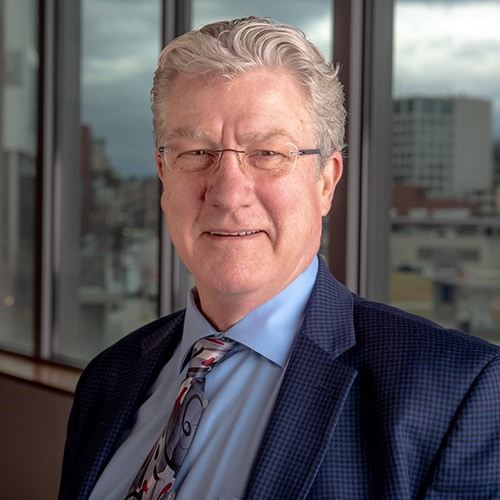
Douglas C. Anthony, MD, PhD
Professor of Neurology, Professor of Pathology and Laboratory Medicine -
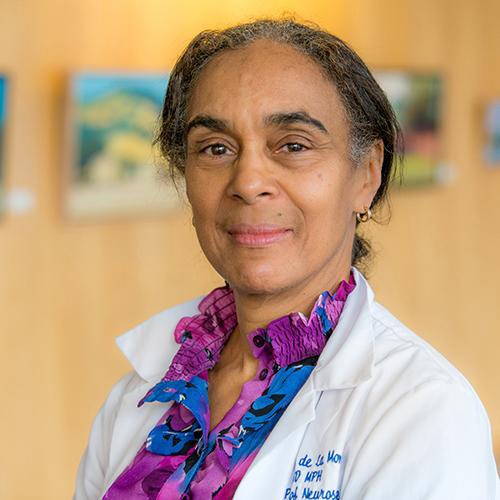
Suzanne M. De La Monte, MD
Professor of Neurosurgery, Professor of Pathology and Laboratory Medicine -
John E. Donahue, MD
Associate Professor of Pathology and Laboratory Medicine -
Michael Punsoni, MD
Associate Professor of Pathology and Laboratory Medicine, Clinician Educator -
Harry Rosenberg, MD
Assistant Professor of Pathology and Laboratory Medicine
Neuroradiology
-
Jeffrey M. Rogg, MD, FACR
Associate Professor of Diagnostic Imaging, Director, Neuroradiology, Medical Director, Magnetic Resonance Imaging, Rhode Island Hospital -
Glenn A. Tung, MD, FACR
Professor of Diagnostic Imaging
Neuro-Oncology
-
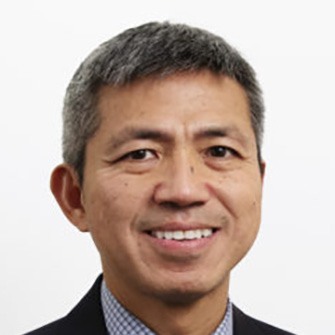
Heinrich Elinzano, MD
Associate Professor of Neurology and Medicine, Clinician Educator, Co-Director, Brain Cancer Committee, Co-Director, Brown University Oncology Research Group, Neuro-Oncology Medical Lead, Brown University Health Cancer Institute -
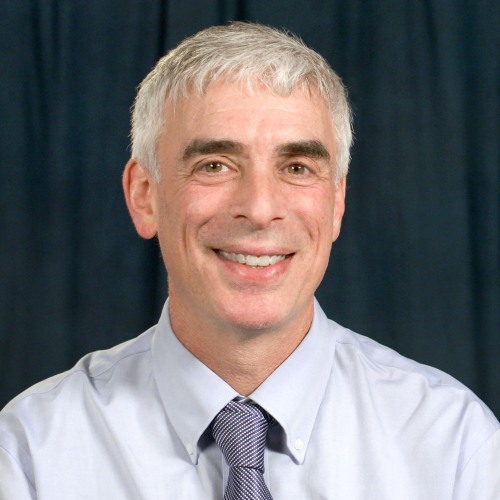
Howard P. Safran, MD
Professor of Medicine -
Sasmit Sarangi, MD
Assistant Professor of Neurology -
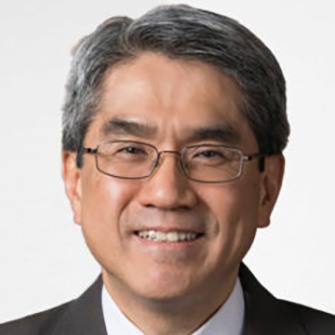
Eric T. Wong, MD
Professor of Medicine, Professor of Radiation Oncology, Professor of Neurosurgery, Professor of Neurology, Director of Medical Neuro-Oncology